The rivers that flow from urban areas are becoming black due to high pollution levels. We investigated a black river in Nepal and found the scientific reason for its blackness. The results were shocking and yet simple to understand.
It is the same reason that the sewers, polluted drains, and water bodies are black.
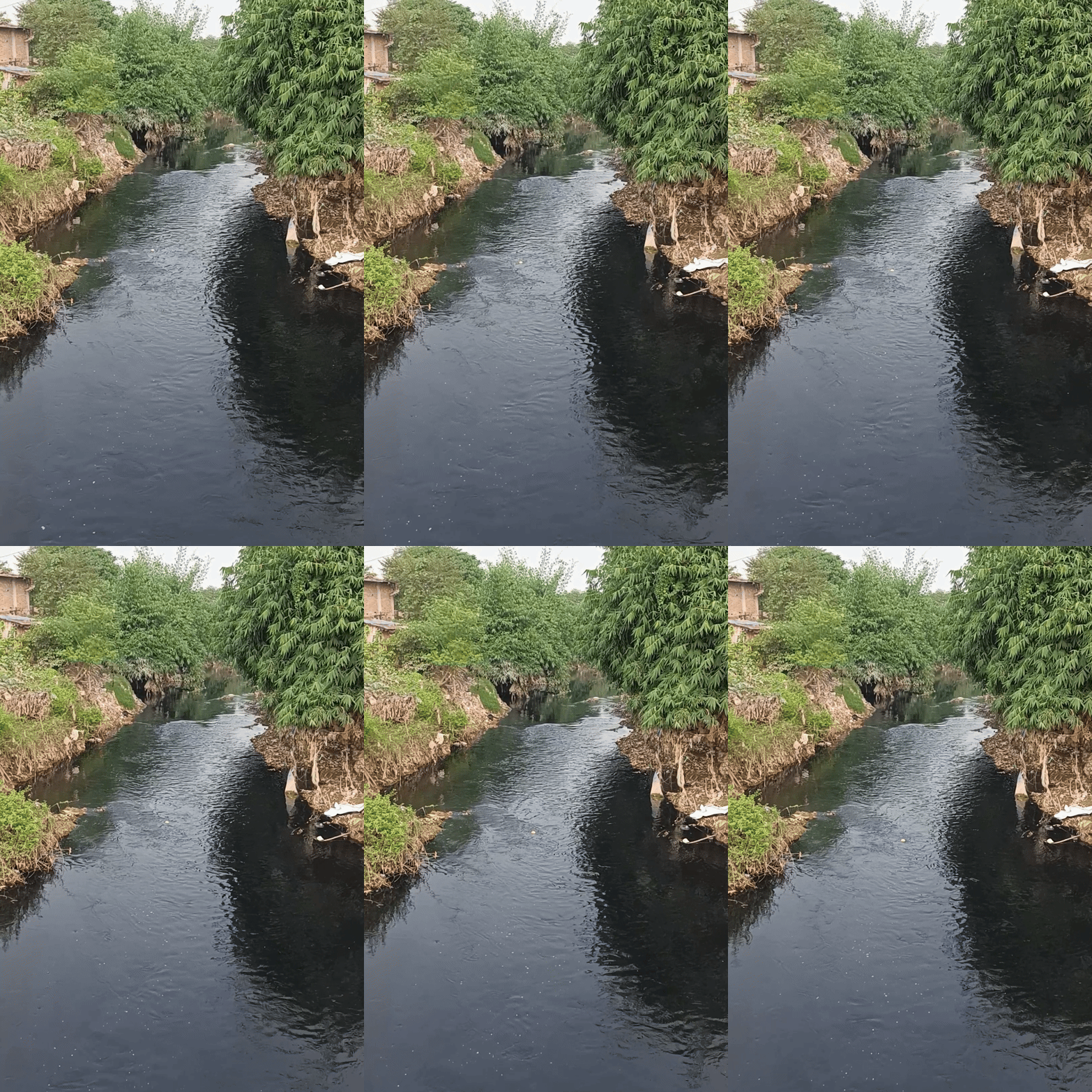
Background
The black river investigated here is the Sirsiya river of Nepal. However, this river was not black from its origin as it flow clean from its origin and eventually gets highly polluted with industrial effluents, domestic effluents, and sewage. This river is worshipped by Hindus during the Chhat festival and is considered a holy river.
But, why is this polluted river black in color? It is not murky or turbid, it is black but why? In this article, we will look into the reason for its blackness.
Sample Collection
To find the reason for the blackness, we collected a sample of the black sludge from this river.
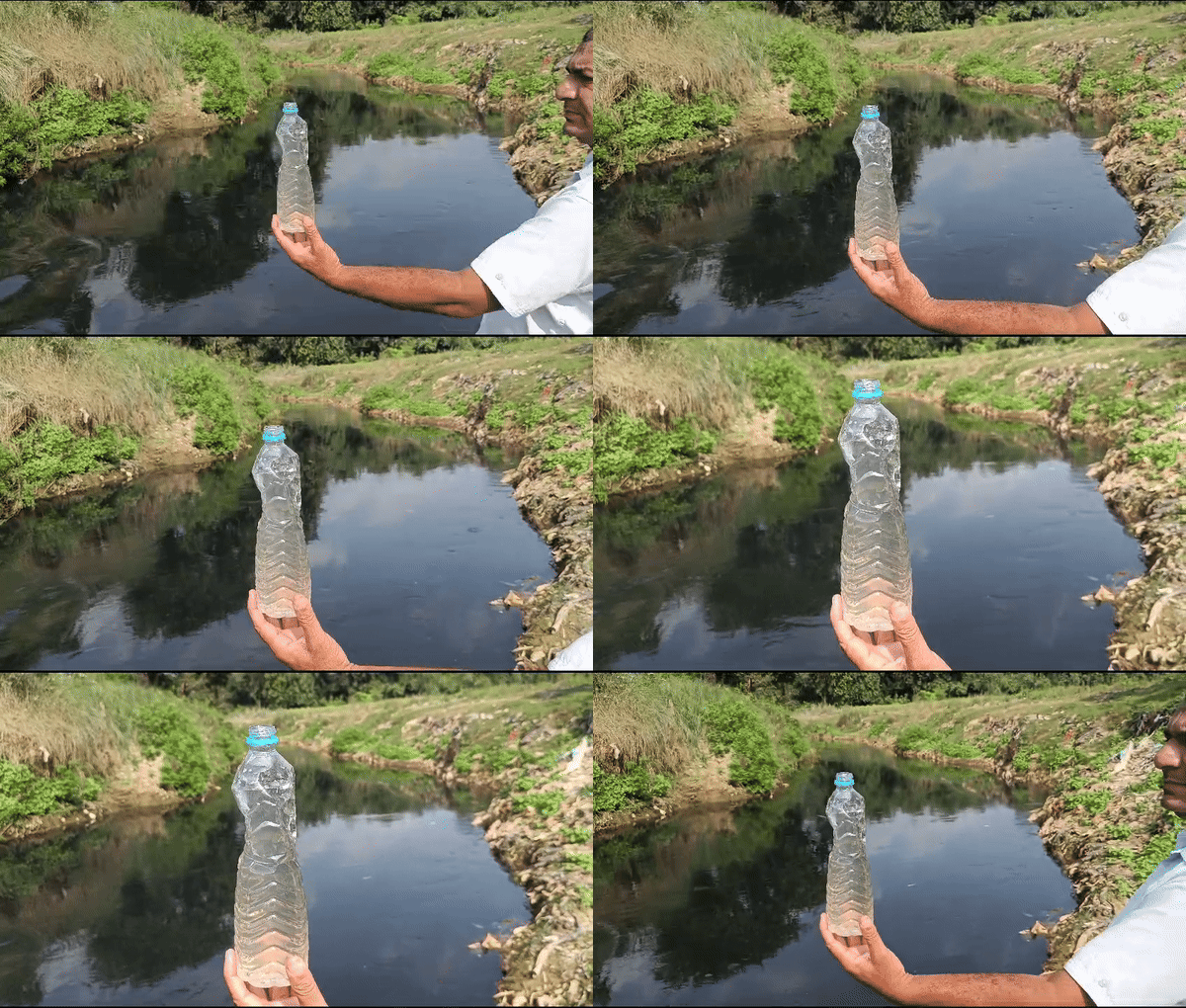
Figure 1 shows that the undisturbed sample is mostly clear or murky water and is not black. The sediment makes the water seem black. The black sediment remains at the bottom of the river which is collected and sealed in a glass bottle as seen in Figure 2.
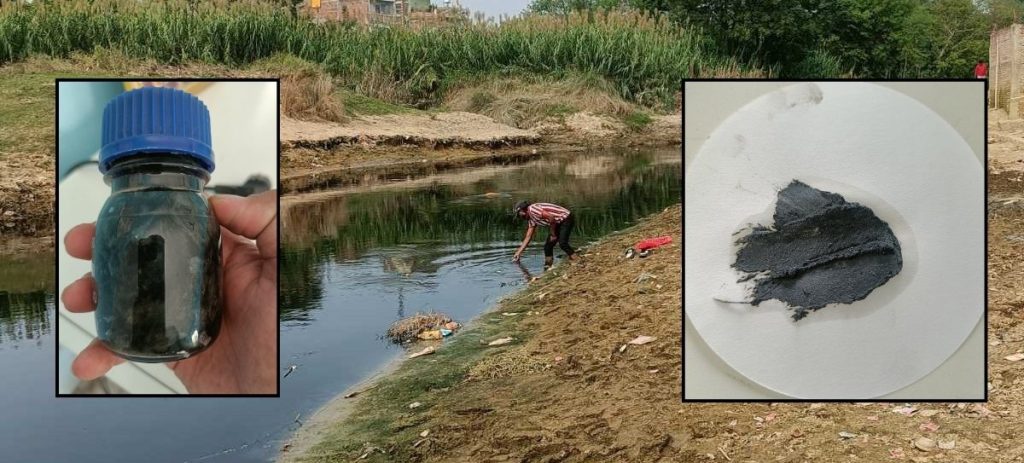
The sediment is black as shown in Figure 3. The top of the sediment may seem clayey brown, but after removing the top layer, the black layer of sludge is seen.
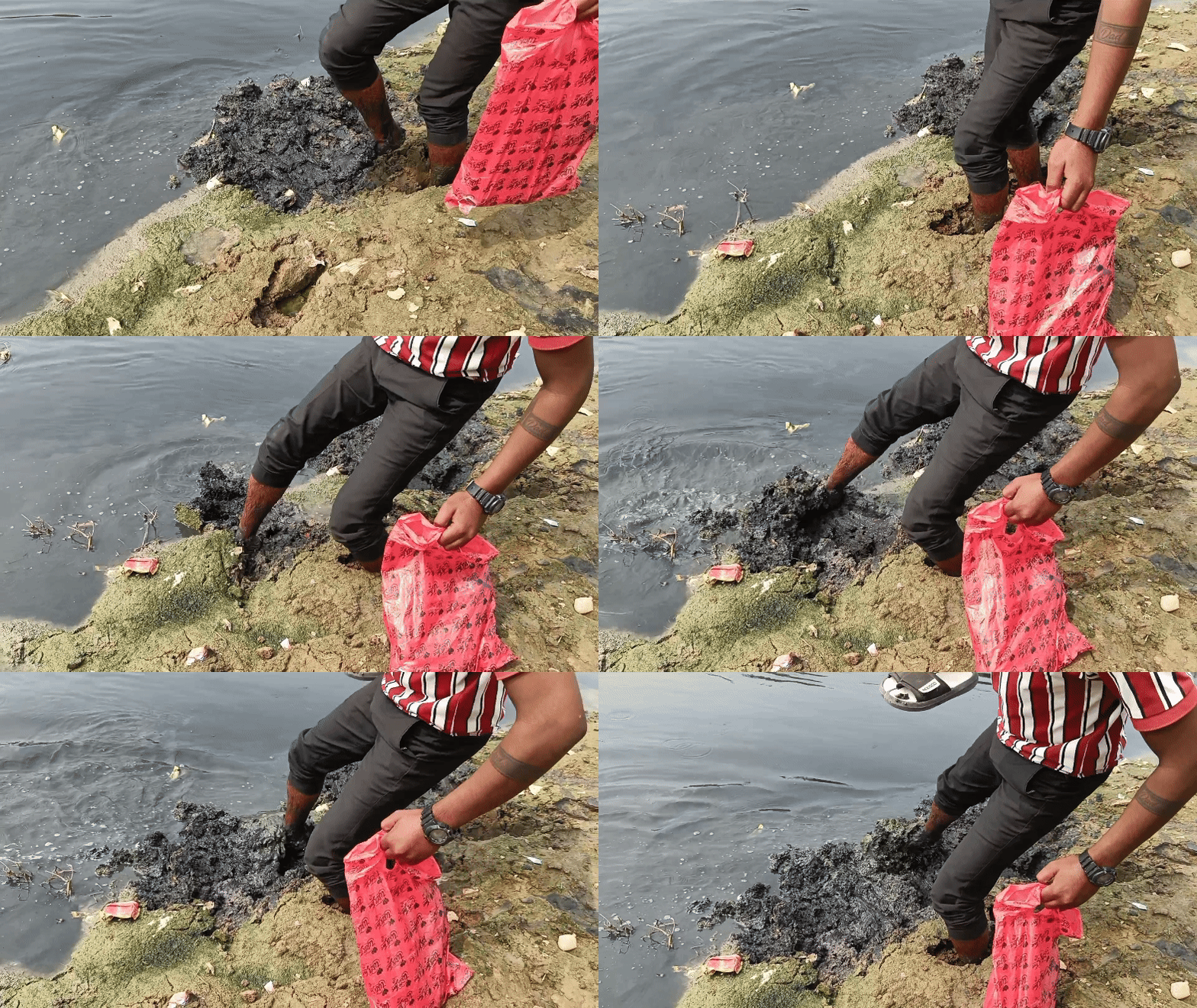
Reasons for the Black River
We had several tests for the river water and the sludge. After investigating it, we finally found out the reason for the blackness of this river.
"THE PRIMARY REASON FOR RIVER BLACKNESS IS: FeS (Iron Sulfide)"
Yes, this river is black due to this chemical compound named Iron sulfide, which is black. But, this FeS or Iron Sulfide is not a natural product, but a product of pollution.
Another reason for the blackness is due to the black humic substance and due to rice husk ash dumped nearby. However, the primary reason is FeS. Two things are needed for FeS to form:
- Sulfur: The sulfur is obtained in the form of toxic hydrogen sulfide (H2S) gas, which is a product of the decomposition in the oxygenless polluted water. The pollution is the food for the bacteria where the sulfate-reducing bacteria (SRB) changes the food into sulfur compounds.
- Iron: Iron is present as various iron compounds in the soil and water.
The chemical reaction between iron and sulfur makes the compound Iron sulfide (FeS).
A YouTube video that shows the reaction: NileRed Video
Fe + S -------> FeS (Black Iron Sulfide)
This Iron Sulfide is black in color. However, it is only present in small quantities where it is even less than 1% of the total solid matter. This black compound just coats the sediment particles that seem to make the whole solid sludge black.
Evidence for Sludge Blackness: FeS
Evidence 1: HCl reaction with Black Sludge
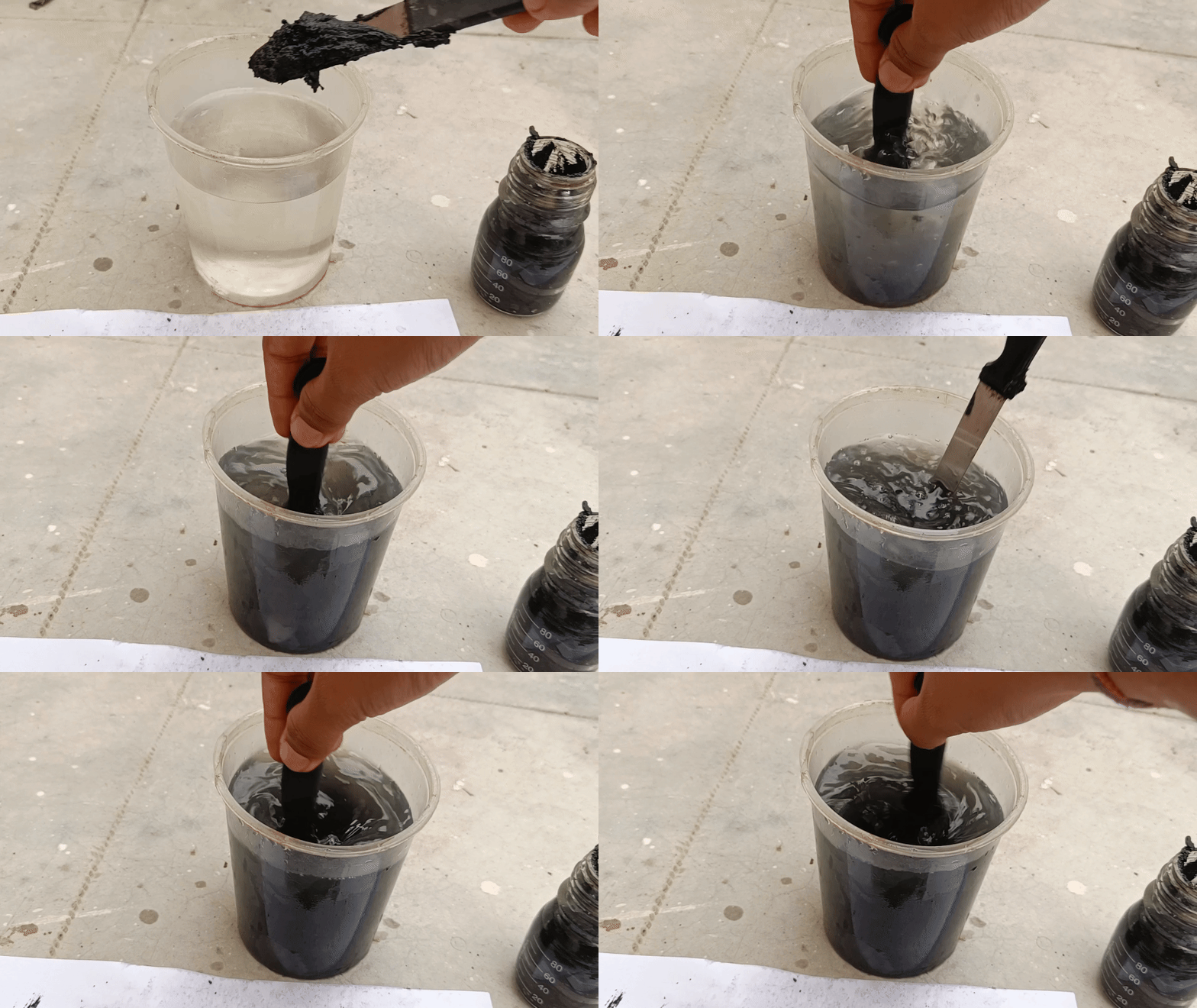
The black sludge is reacted with concentrated hydrochloric acid (HCl). The reaction changed the black color to greenish yellow.
FeS + HCl -------> FeCl₂ (Greenish Yellow) + H₂S ↑(Rotten Egg Smelling)
The FeCl₂ is Iron chloride which is greenish-yellow. The FeCl₂ further changes into FeCl₃, which is fully yellow in color.
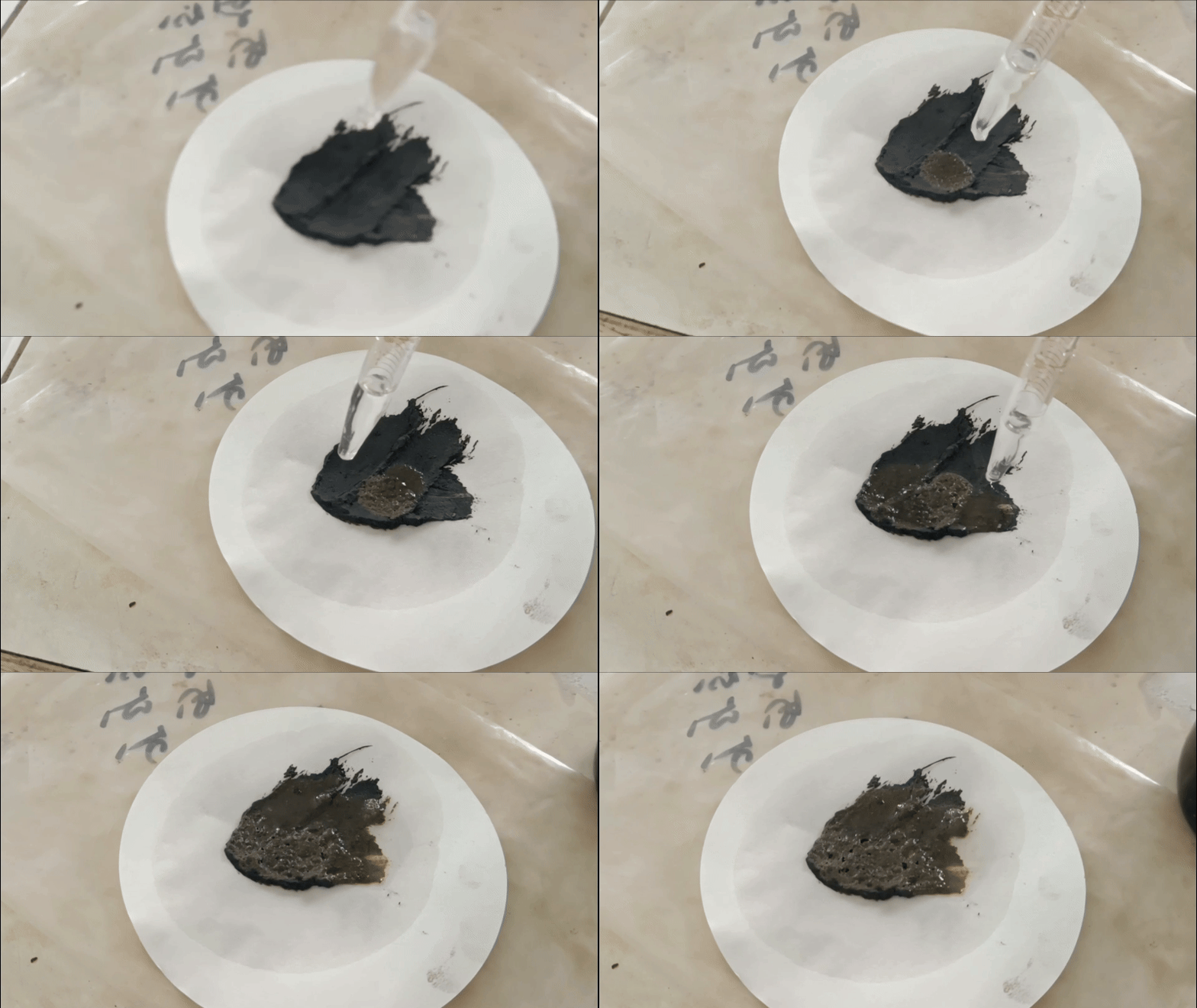
The reaction in Figure 4 (above) produced a pungent smell like rotten eggs which confirms the H₂S gas. The reaction also produced a greenish yellow color which confirms the presence of FeCl₂ and FeCl₃ as seen in Figure 5.
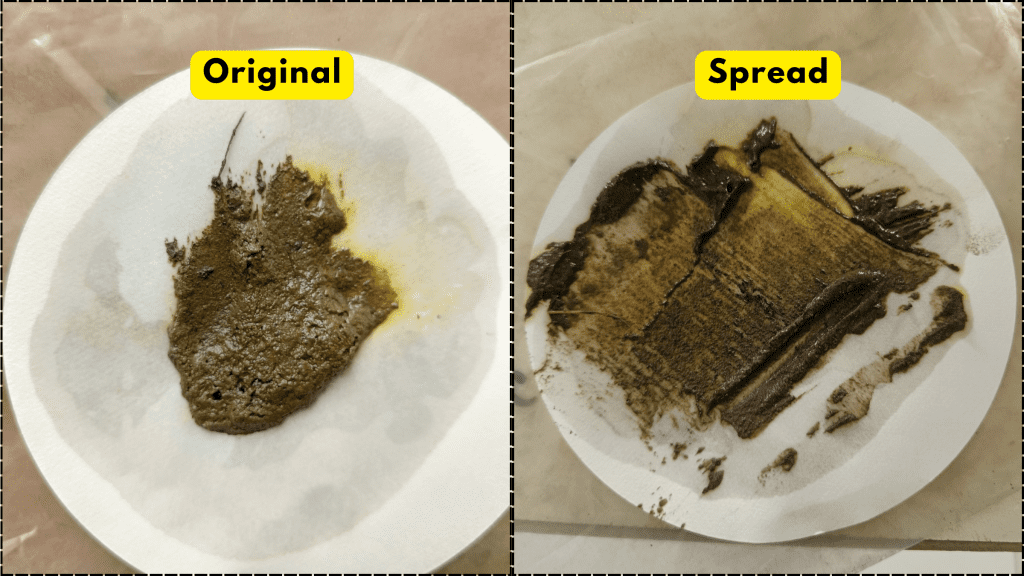
The reaction of black sludge with HCl confirms the presence of black FeS in the sludge.
Evidence 2: Color change of Black Sludge
The drying of the sludge was done to see for any color change. Surprisingly, the black color fully transformed into a muddy brown color.
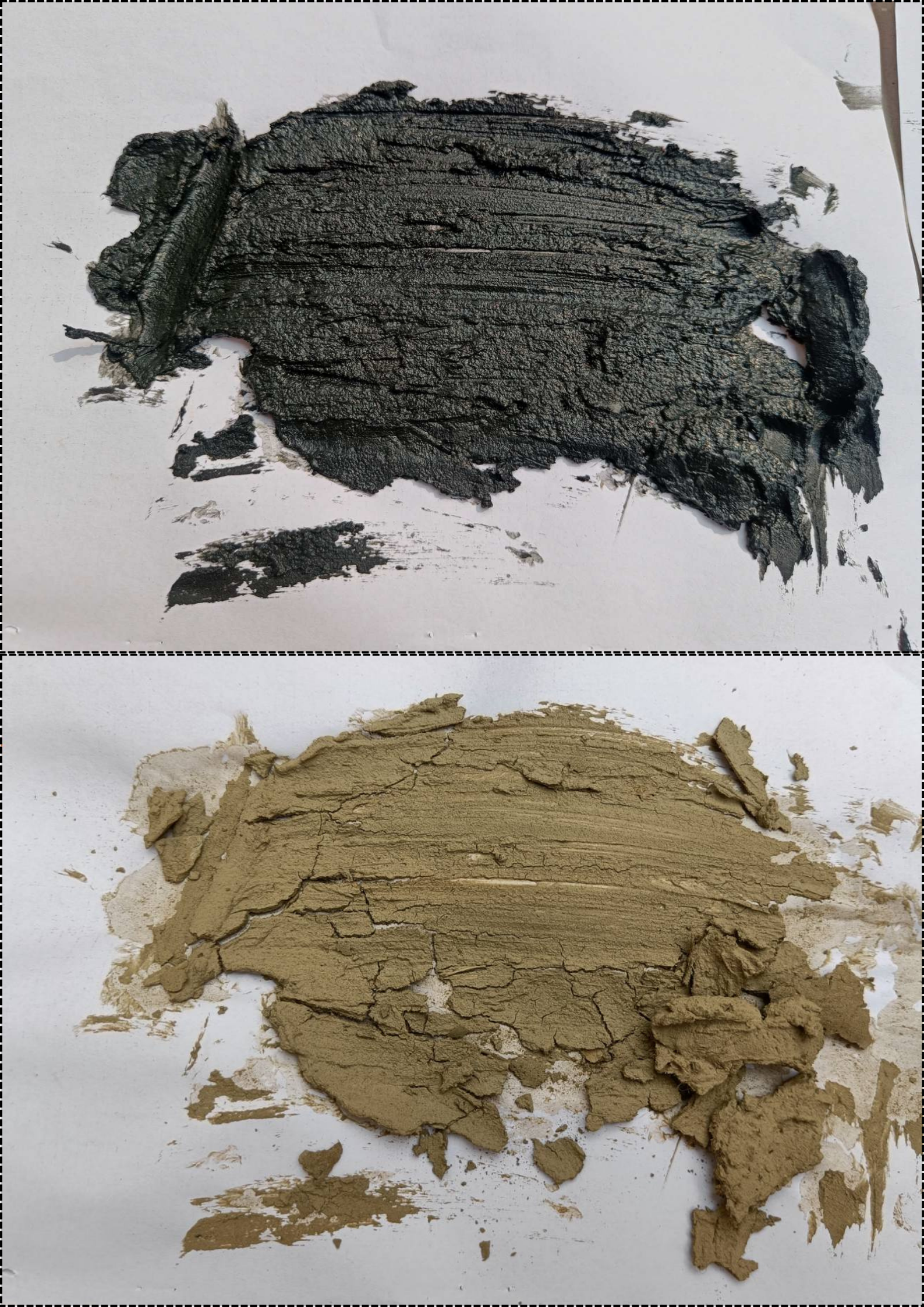
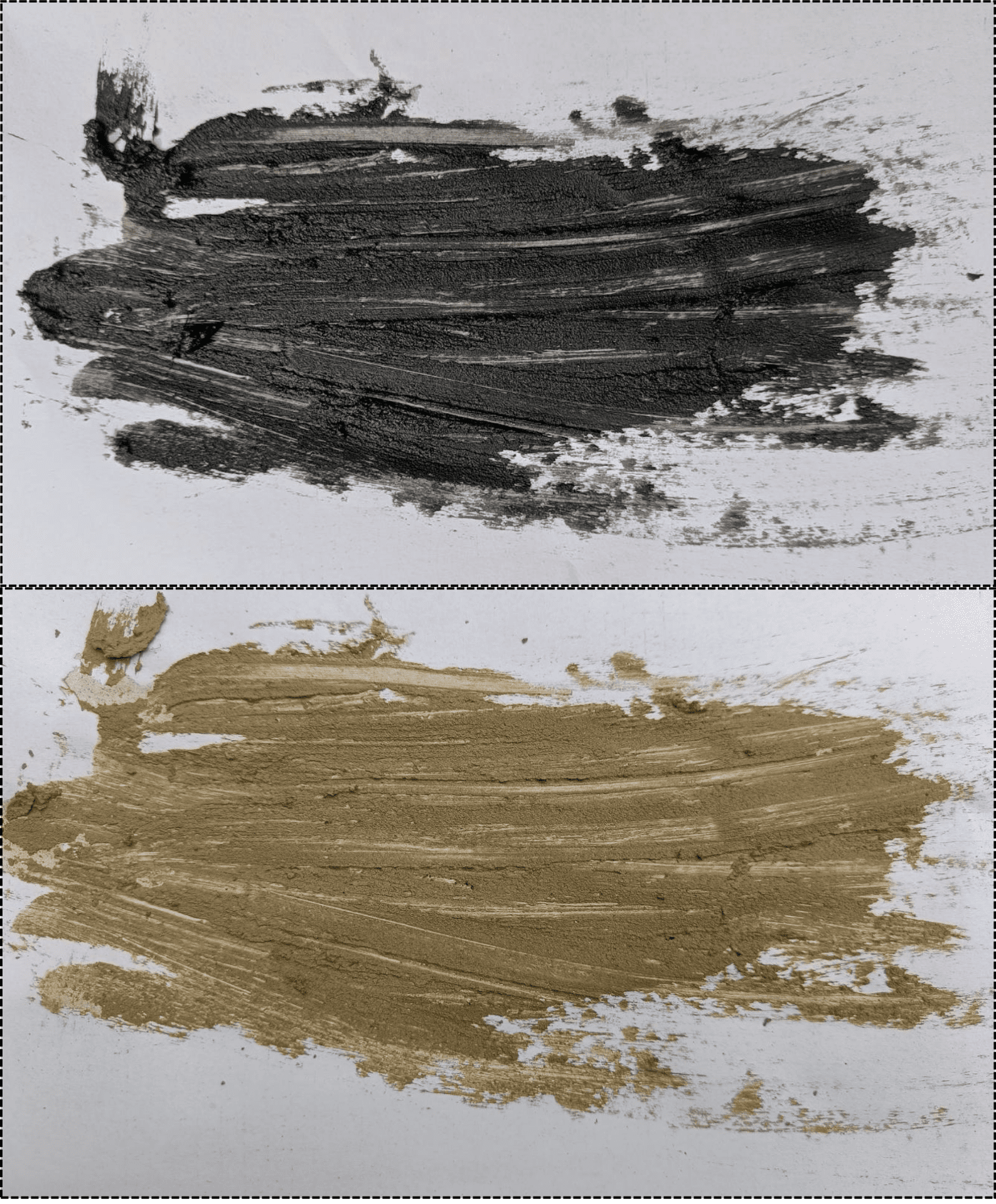
Figure 6 shows a drastic difference in the color of the sludge. There is a coating of black FeS on the soil particles. Here, the main reason for the color change is due to the transformation of the black FeS with its oxidation in atmospheric oxygen in air.
4FeS + 7O₂ ----→ 2Fe₂O₃ (Rust) + 4SO₂↑
The Fe₂O₃ is called Ferric Oxide or hematite, which is simply the iron rust. However, the solids are muddy in color as most of the solids are still sand and mud which shows its original color. The Fe₂O₃ color can be from reddish to brownish.
This evidence of change of color can confirm the reasoning that the black color of the river is due to FeS.
Evidence 3: Aeration of Black Water
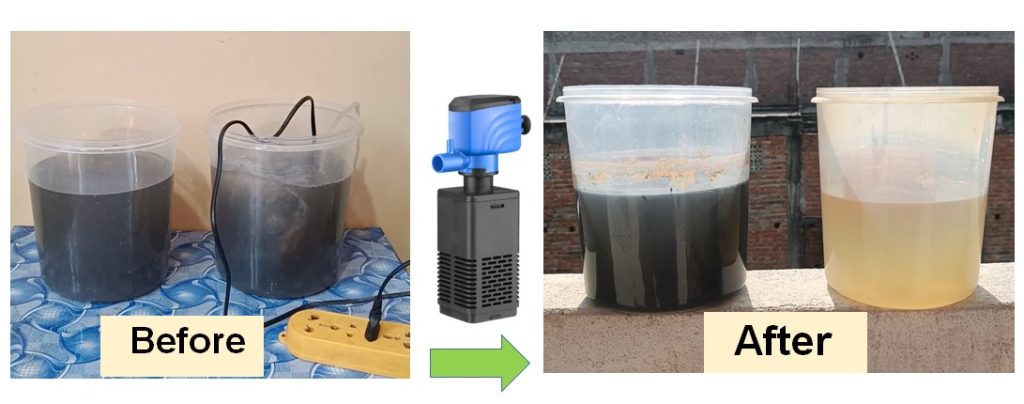
This is the black river water taken from further upstream. Here, the blackness remains in suspension like that of oil remains in suspension. After the digestion is nearly complete, the blackness settles down as flocs where the biological oxygen demand (BOD) reduces.
Lab tests have shown that the BOD reduced from 404 mg/l to 40 mg/l, where both rivers were black in color. The highest BOD water blackness remained in suspension and low BOD black water is due to black settled sediments.
Also Read: Sirsiya River’s Black Water: Finding Solutions
The continuous aeration was done with the help of the aquarium filter. Again, the color completely changed from black to muddy brown. This showed that the black FeS again changed in form and thus the color change occurred.
Main Polluters
This Sirsiya (स्रिसिया) river flows within the city which is heavily industrialized and flows untreated effluents directly into the river. Other than that, there is also domestic sewage which flows into the river. The major pollutants are:
- Industrial Effluents: More than a hundred industries mainly Textile dyeing, Oil based Industry, and Leather processing Industries.
- Domestic Sewage: Sewage from over 50,000 houses with primarily treated in septic tanks.
- Solid Organic Waste: Decomposable organic wastes from houses and industries.
Conclusion
Based on the evidence, the river’s black color is largely due to the presence of ferrous sulfide (FeS), with additional contributions from humic acids and dyes. To address this issue, two key actions are needed:
- Reduce Pollution: Divert pollutants to sewage and effluent treatment plants to prevent pollution in the river.
- Increase Oxygen Levels: Enhance the oxygen content in the water through natural or mechanical aeration.
Together, these actions are essential for restoring and preserving the river’s health and can help prevent similar pollution-driven blackening in other rivers. Rapid urbanization is causing more rivers to turn black, making it essential to understand the causes and potential solutions to this problem.