Soil samples were collected from different locations in Birgunj, Nepal, and tested for NPK, pH, and soil plasticity index.



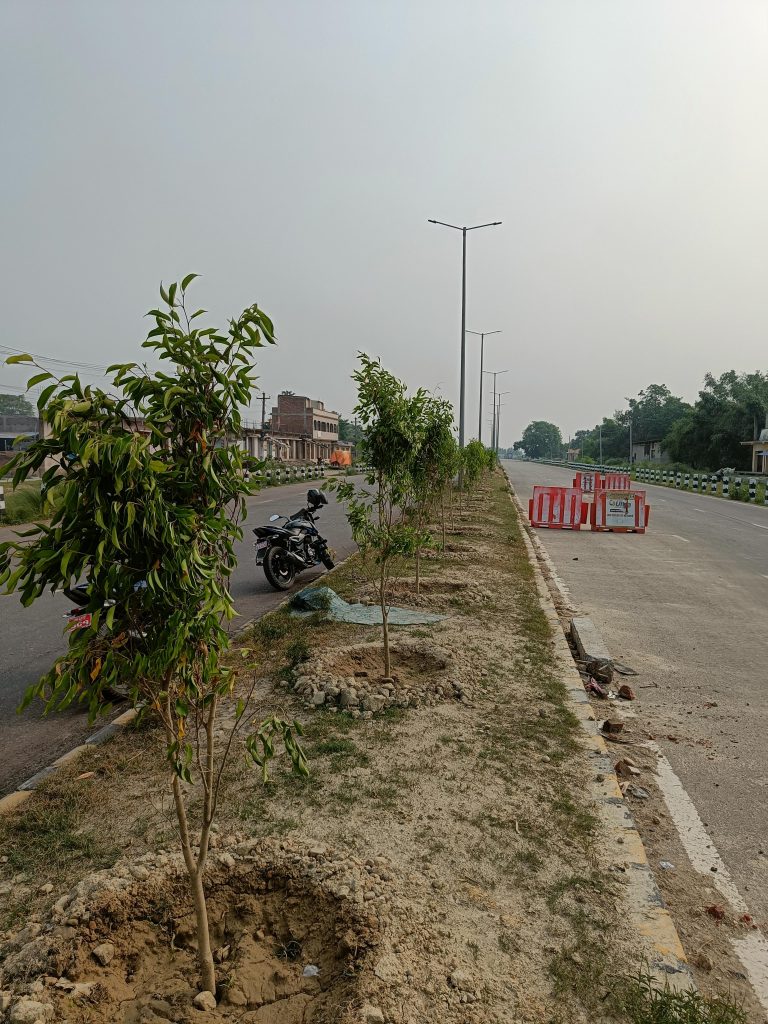
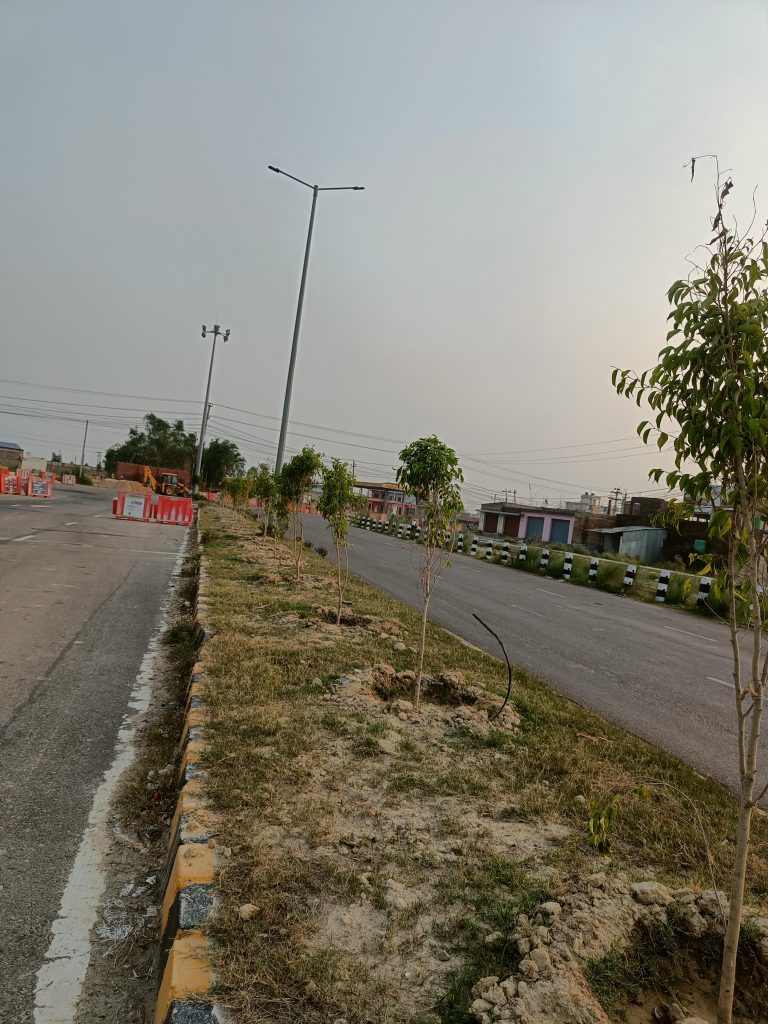
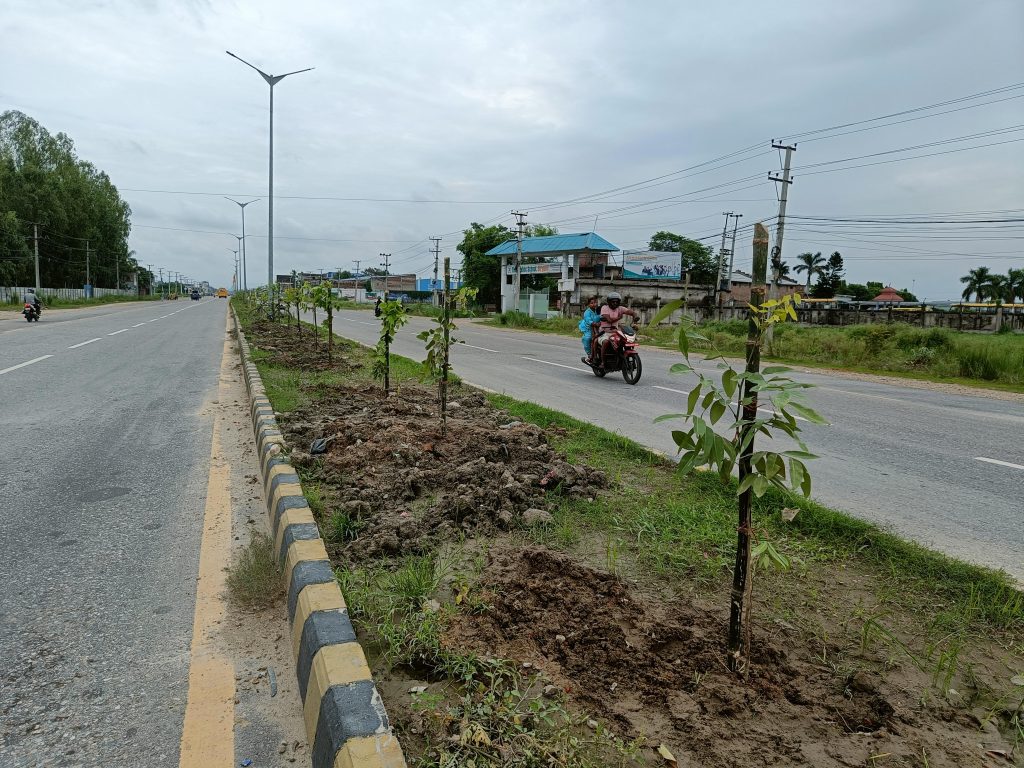
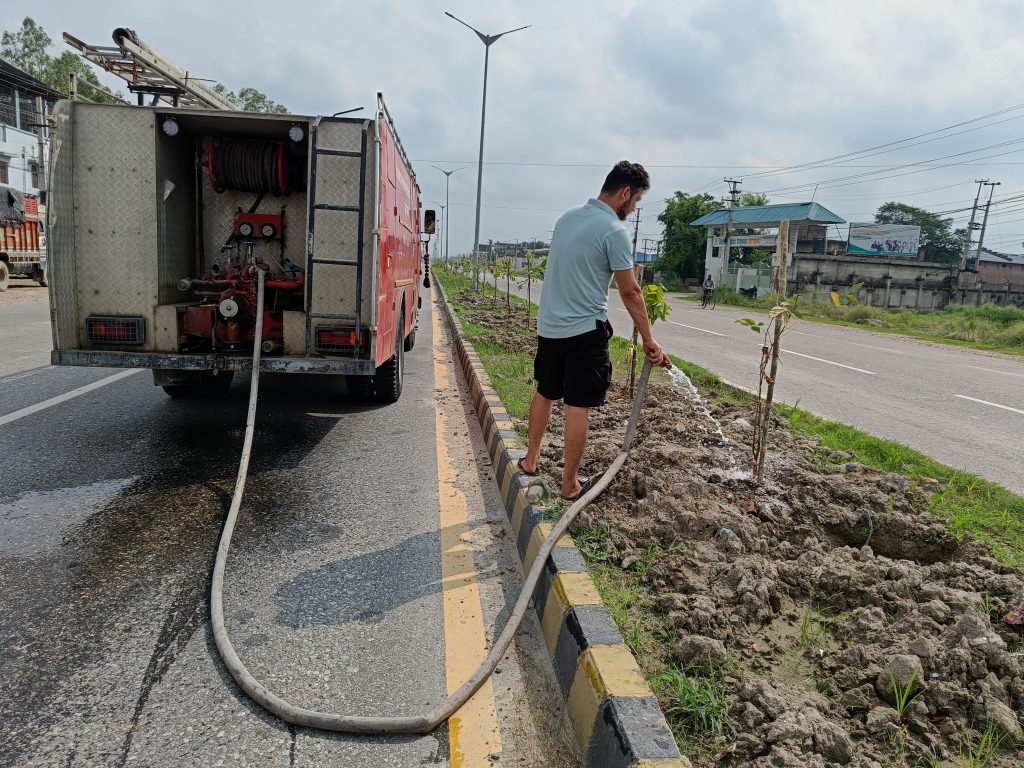
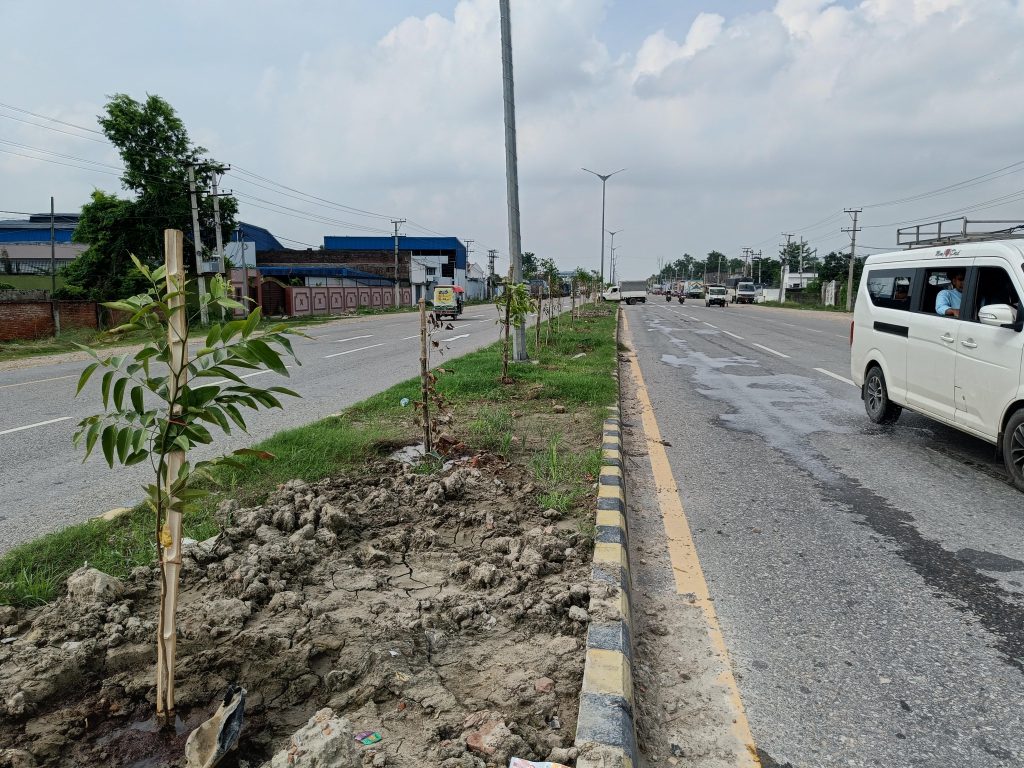
The soils were collected from the road median dividers where plantation activities were conducted. The soil were sent to a lab for testing its nutrient content for its plasticity index to know the properties of the soil.
The results are discussed below:
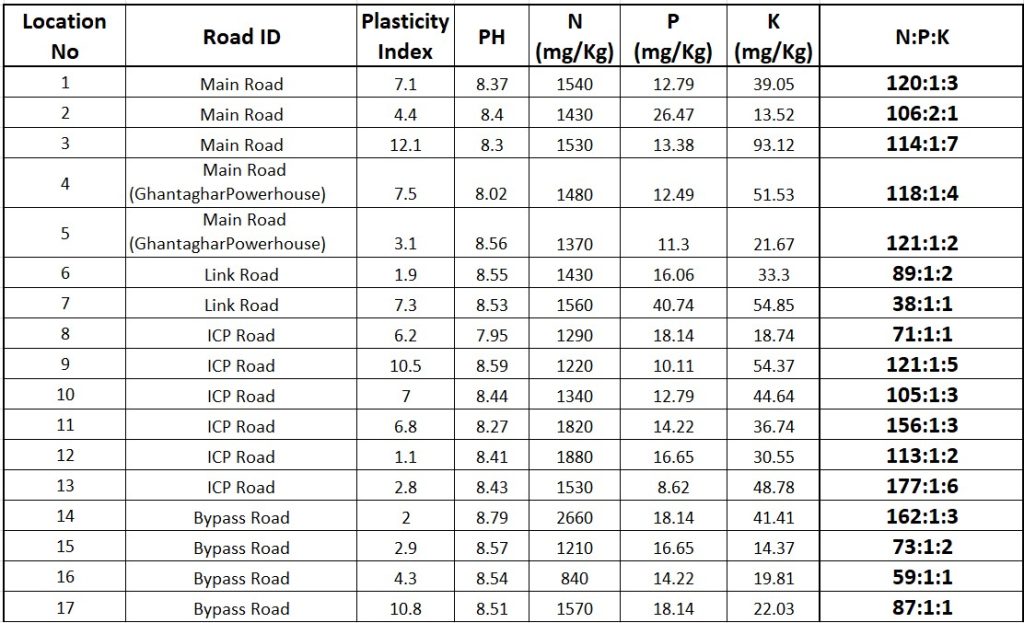
Looking at the test results
- PH found is very high for plantation
- Nitrogen (TKN) is higher and available ammonium nitrogen (NH3-NH4+) needs to be calculated
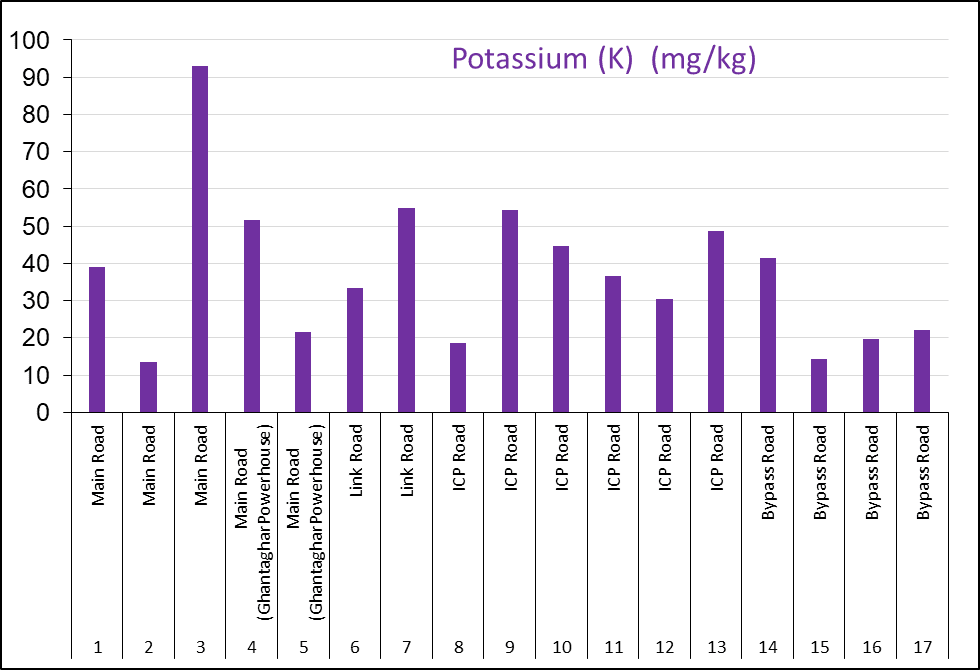
- Phosphorous and Potassium are very low for the soil
- The NPK ratio is off-balance
- PH needs to be lowered and phosphorous and potassium needs to be added to soil
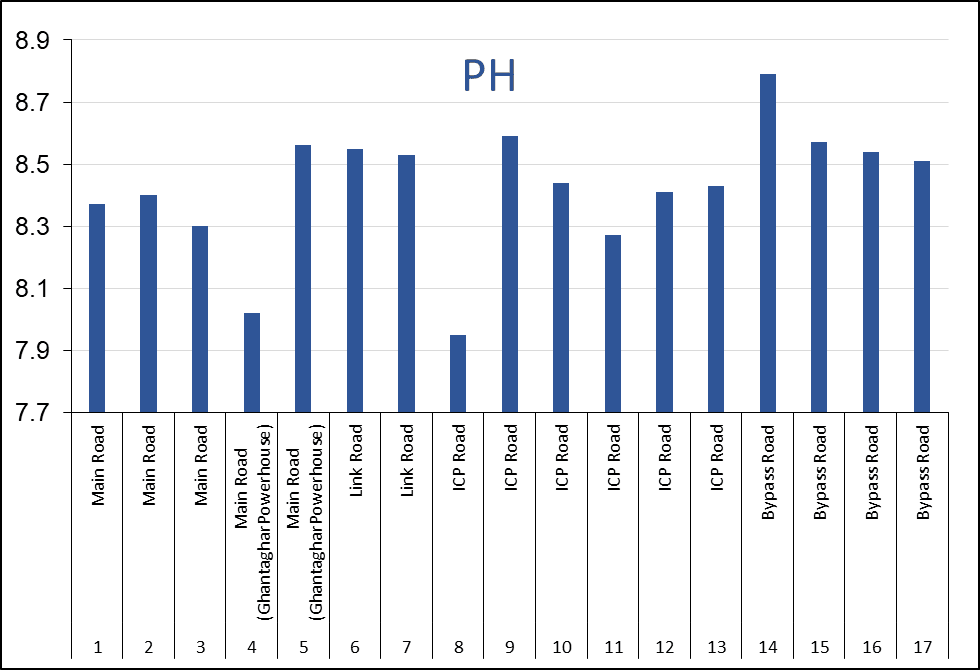
PH of soil
Importance of pH for Plant Growth:
- It affects nutrient availability (Most plants prefer slightly acidic: pH 6-6.5)
- Influences microbial activity (essential for organic matter decomposition and nitrogen fixation)
- Impacts root function and water/nutrient absorption
Impacts of High pH on Plants
- Causes nutrient deficiencies (iron, manganese, phosphorus become unavailable)
- Reduced water uptake by plants
- Hinders growth of plants that prefer neutral or acidic soils
Management of High pH:
- Plant alkaline-tolerant species
- Add organic matter (compost, manure)
- Use sulfur or acid-forming fertilizers
Studies find that urban soil has an increased pH range, which is not necessarily suitable for growing plants (1).
The pH obtained from sample testing shows that pH is much higher (alkaline) for the plantation, which may lead to stunted plant growth.
Nitrogen in soil (N)

Importance of Nitrogen (N)
- Essential for growth
- Vital for leaf development.
- Supports photosynthesis: Converts sunlight into energy.
- Aids root and fruit development
- Deficiency signs: Yellowing leaves and stunted growth.
Phosphorous in soil (P)

Importance of Phosphorus (P)
- Essential for energy transfer (ATP) and overall growth
- Promotes root development and plant maturity
- Supports flowering and fruit production
- Improves plant resilience to stress
- Deficiency signs: Stunted growth, dark/purplish leaves, delayed maturity
Potassium in soil (K)
Importance of Potassium (K)
- Regulates water balance and nutrient transport
- Enhances disease resistance and stress tolerance
- Promotes strong stems and healthy root growth
- Improves fruit size and overall plant vigor
- Deficiency signs: Yellowing leaf edges, weak stems, and poor fruit quality
Plasticity Index of soil (PI)

Importance of Plasticity Index (PI) for Plants:
- Shows how well soil holds water, important for plant growth
- Affects how easily roots can grow and how well air moves through soil
- Helps manage irrigation by understanding how the soil handles moisture
- Tells which plants are best suited for different soil types
High Plasticity Index (High PI)
Good Sides:
- Holds more water, beneficial during droughts
- Can support certain water-loving plants that thrive in wet conditions.
- Provides good nutrient retention.
Bad Sides:
- Swells when wet and can shrink when dry, which may damage roots.
- Can lead to poor drainage, causing waterlogged conditions.
- Makes it difficult for roots to penetrate and grow.
Low Plasticity Index (Low PI)
Good Sides:
- Drains quickly, reducing the risk of waterlogging.
- Allows for good root growth and air movement.
Bad Sides:
- Holds less water, which can stress plants during dry periods.
- May require more frequent watering for plants.
- Limited nutrient retention, potentially leading to nutrient deficiencies.
The normal range of the Plasticity Index (PI) for soils typically falls between:
- 0 to 7: Low plasticity
- 7 to 15: Moderate plasticity
- 15 and above: High plasticity
Sample Photos of Road Median (Divider)

Good Reads
- INDIAN GUIDELINES ON LANDSCAPING AND TREE PLANTATION [ LINK ]
Data Source: IDMS Birgunj