Rakesh Shah (Civil and Environmental Engineer)
Author
This article discusses the consequence of the lack of public toilets and public toilets present at long distances.
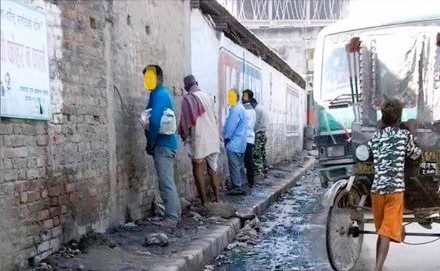
Several thoughts come to anyone’s mind when he/she sees the picture above.
- How uncivilized are the persons?
- Are there no public toilets?
- Do they have no shame?
- Why is there no legal action?
However, don’t judge the person in the picture so quickly. First, let’s see the scenario of the city.
Understanding the City Scenario:
Birgunj Metropolitan City spans 132.11 sq. km and is home to 240,922 people residing in 39,286 households, according to the national census of 2011. The city also accommodates a significant floating population of 38,000 individuals who commute daily. However, the city’s public toilet infrastructure presents a critical challenge.
The Distance Problem:
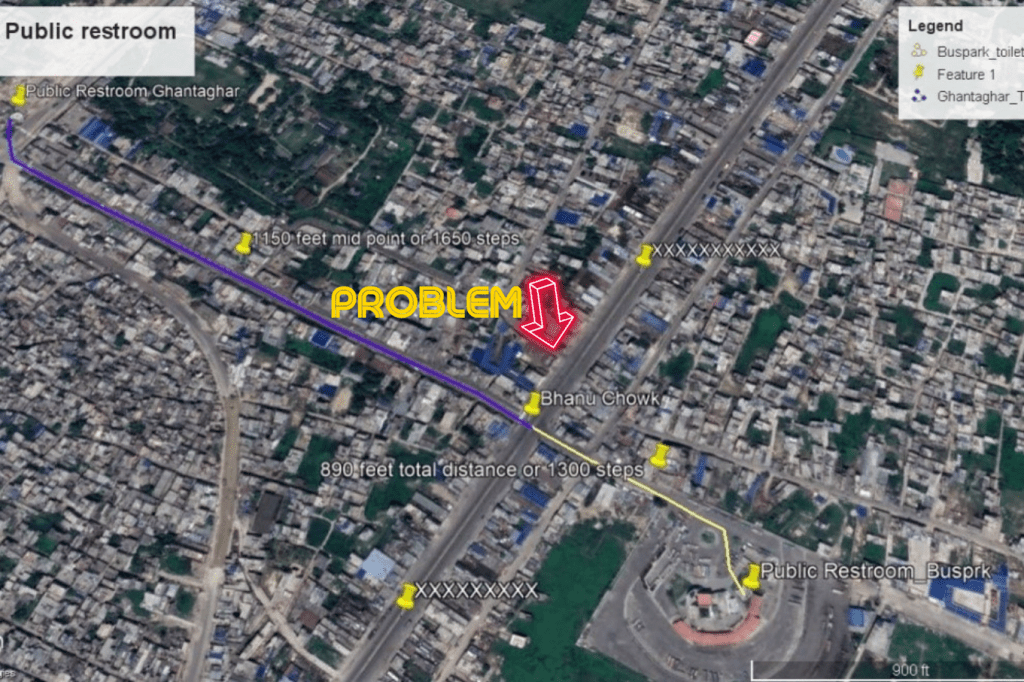
While public toilets exist in both the east and west directions, the key issue lies in their distance from high-traffic areas. In the east, the public toilet is situated at 890 feet (1380 steps), and in the west, the distance extends to 2300 feet (3300 steps). This distance problem contributes to the prevalent practice of open urination, as commonly observed at this location.
Public Transport and Lack of Facilities:
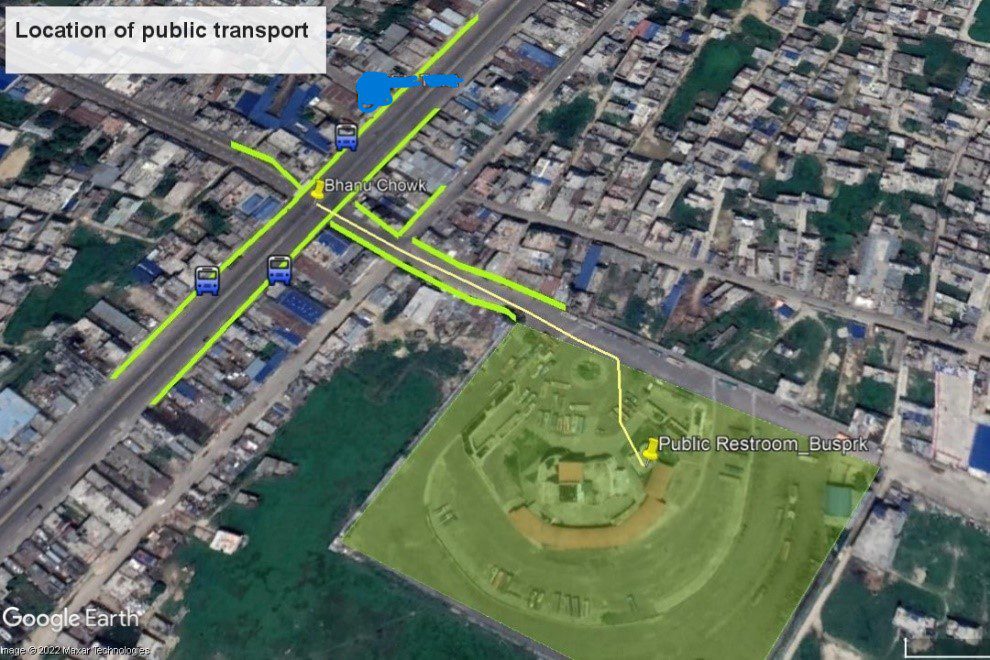
A lesser-known issue multiplying the problem is the scarcity of public toilets during travel. Passengers on public buses or vans often find it challenging to access restroom facilities during their journeys. This results in a rush to relieve oneself just before the start of a trip, leading to open urination.
Survey Findings:
A general survey revealed that, within four minutes, eight individuals were observed openly urinating. Extrapolating this data suggests that approximately 240 persons may engage in this practice per hour. This makes the road unvisitable not only due to odor issues but also due to the shame of seeing such a disgusting scenario, especially for the females.
The problem for Women:
Women, in particular, face significant challenges due to the lack of clean and accessible public toilets. The shortage of toilet facilities and its cleanliness concern prevent women from traveling, forcing them to plan their travel well before leaving their house. This is creating a gender disparity for women, especially from poorer neighborhoods.
Often, the locations for using toilet facilities in priority order are:
- Return to own home soon
- Use public toilets
- Use the toilet at food shops and restaurants (generally need to purchase something first)
- Use the toilet of government offices (often in poor conditions)
- Go to a friend’s house
Possible Solutions:
Addressing the underlying issues requires the implementation of several solutions, such as:
- Establishing more public toilets in high-mobility areas at short distances.
- Installing public toilets along travel routes.
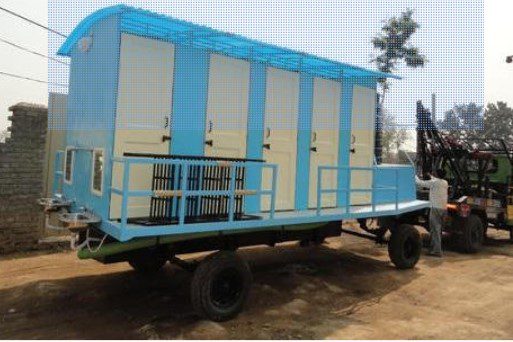
- Introducing mobile toilets where land availability is limited.
- Considering free-of-charge access to public toilets.
Raising awareness is equally crucial, with recommendations including:
- Promoting the mandatory use of public toilets.
- Coordinating public vehicle routes with nearby toilet facilities.
- Maintaining clean and well-lit public spaces to discourage open urination.
- Ensuring public toilets are clean, safe, and friendly for women, children, and people with disabilities.
Conclusion:
At the surface level, the culprit is seen as the individual openly urinating. However, certain planning issues like distance to public toilets are also a real issue. By addressing both the underlying issues and promoting awareness, the city can create a more sanitary and inclusive environment for its residents and visitors.