Introduction
People are moving from the villages to cities for better opportunities to lead a better life. This is the single most important reason for the population to increase in cities and also causing the expansion of cities.
However, from the perspective of the environment for the solid waste and wastewater management, has its advantages and disadvantages. Two main waste forms are solid waste and liquid waste.
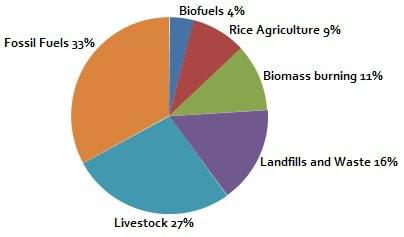
Around 60% of the global methane is produced due to human activities and the sources also include landfilling and wastewater treatments (Source).
Village waste management
The solid waste and wastewater management is quite different in cities than in villages. Villages have mostly decentralized wastewater treatment systems while urban areas need a centralized wastewater system.
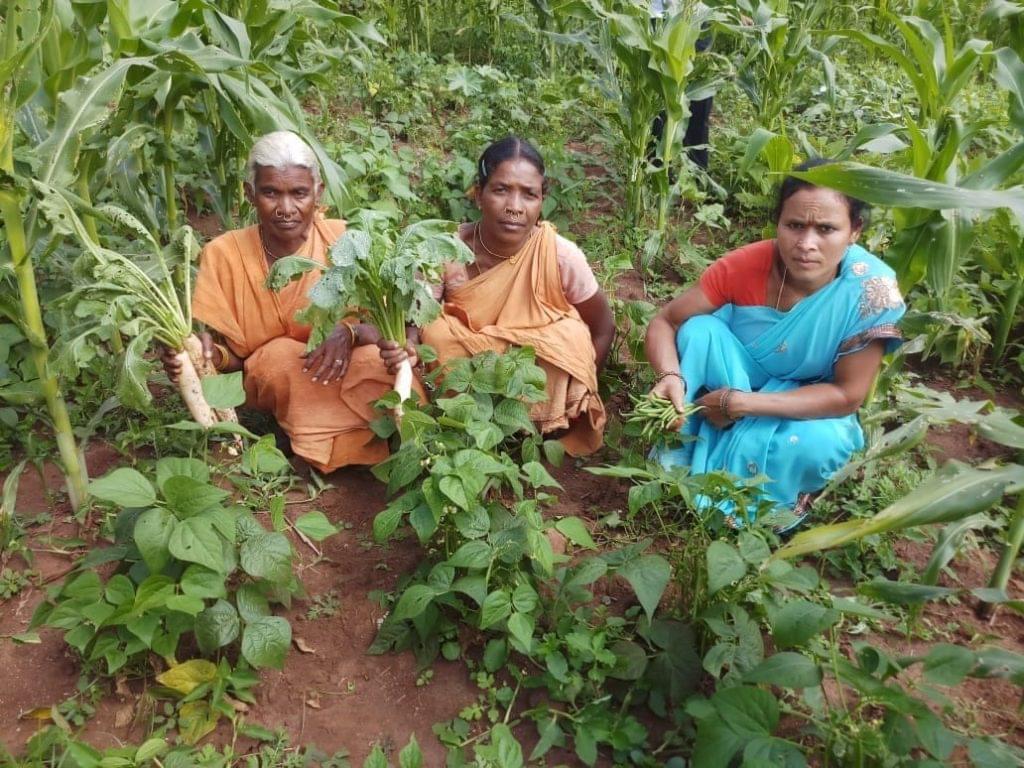
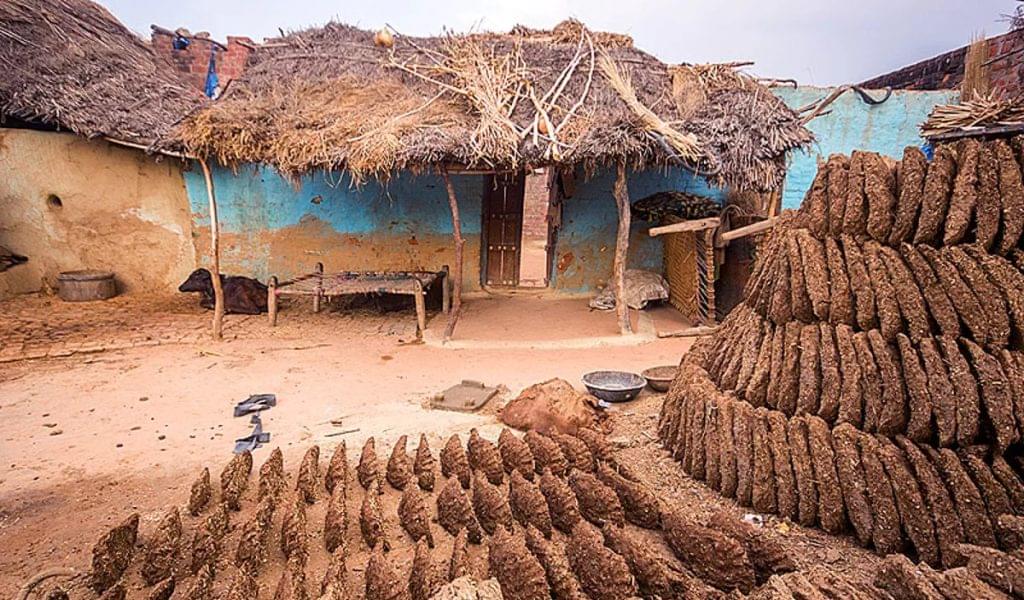
Again, solid waste in the village is mostly organic and is managed in their homes to make compost or as feed for animals. The produced dung of animals is again used as manure for fields or some have small biogas plants that they use for fuel. Plastic products like bottles, cans, and jars are mostly reused.
The toilet water or septic water is usually separated. The water from the kitchen directly flows to gardens which irrigates it. The toilets have pits that hold the solids and the liquid effluents go to pits where the soil absorbs it.
Even if the village does have not so good management of waste, the processes occurring are aerobic in nature. The aerobic decomposition of waste produces carbon dioxide gas. Aerobic means the decomposition of organic matter in the presence of oxygen by microbes usually with dissolved oxygen in water.
Methane is on average 30 times more potent greenhouse gas when compared to carbon dioxide gas (Source). This means the aerobic process is much more effective in reducing the greenhouse effect and global warming.
Urban waste management
Waste management in urban areas needs a centralized approach. The wastewater needs to be carried in sewers and the solid waste is landfilled.
In a perfect scenario, the wastewater is treated aerobically in central treatment plants. Solid waste is recycled or converted into waste to energy systems like biogas. Some solid waste remains that needs to be landfilled produces methane which is also collected with pipes and utilized for burning.
However, this is in the case of developed countries where there is plenty of resources and the people are aware of the pollution effects. In the world of mostly undeveloped and developing countries, this perfect situation seldom exists.
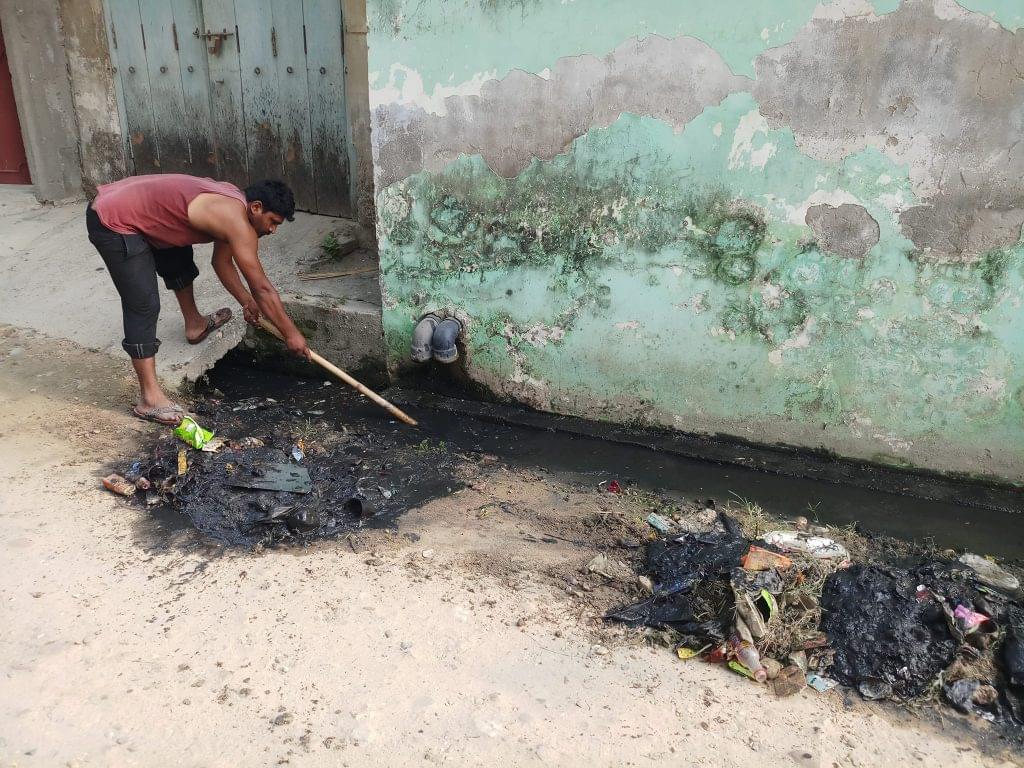
In reality, the wastewater is transferred with urban drains and ends up in rivers and polluting it. Else, it drains in some low-lying areas. These polluted rivers have no dissolved oxygen in them and anaerobic process occurs in these rivers. The anaerobic process apart from producing methane is also stinky.
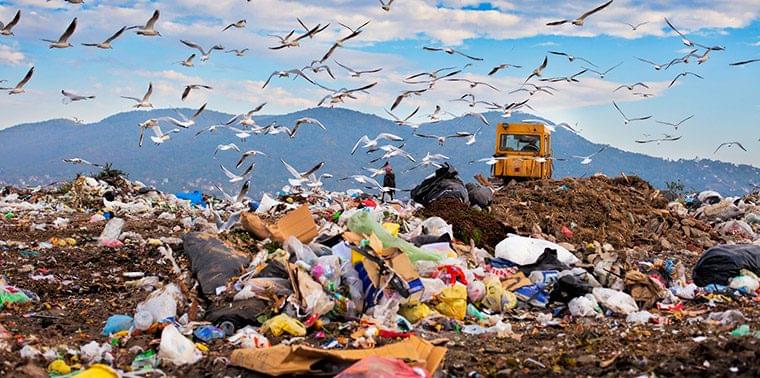
Solid waste is also almost entirely landfilled in some depressed areas. Even if there is a dedicated landfill, there are no methane collection systems which causes the release of methane into the air. The low oxygen environment cause the decomposition of solid waste to be anaerobic.
Anaerobic process is the culprit
Anaerobic processes mostly occur in poorly managed urban areas causing all the organics to be anaerobically digested whether it is solid waste or liquid waste. The natural process becomes anaerobic rather than carbon dioxide producing aerobic process.
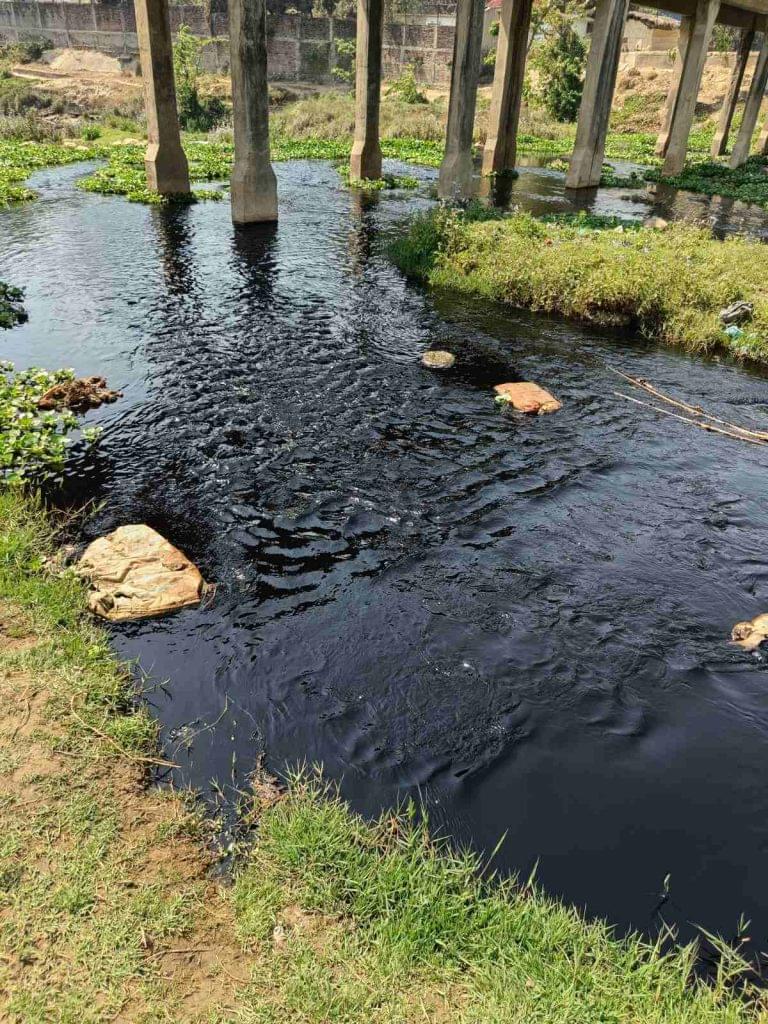
The transition of carbon dioxide production to methane production in the cities is a challenge and is contributing to the increased global warming effects.
Waste management bears an operating cost and technical know-how which is lacking in most countries. The anaerobic process is good if the produced gas is collected and used as fuel. If it is not collected, it does more harm than good.
Need for better waste management policy
Carbon dioxide is getting more attention because its effect is around 5 times more than that of methane. It is due to its huge production even though it is less potent than methane. Methane contributes to 30% of the total effect to the rise in global temperatures (Source).
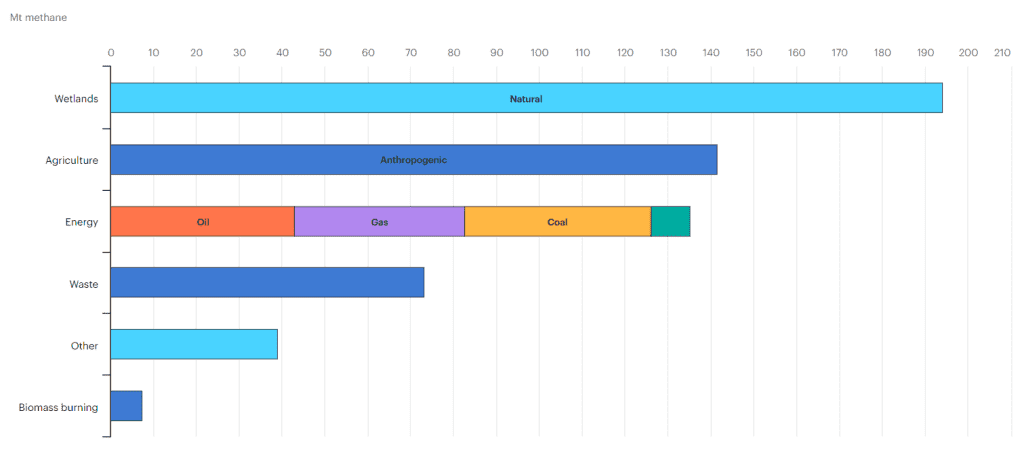
The transition of villages to urban areas is also putting a lot of methane into the atmosphere. This will be further increased as the trend of urbanization is on the rise more than ever.
Policy changes and understanding the methane potential of global warming can lead to better project selection and its implementation.
Rakesh Shah (Civil and Environmental Engineer)
Author