Intro
“A fertilizer is something that adds nutrients to the soil essential for the plants.”
Cow dung has long been used as an organic fertilizer to add micro and macronutrients to the soil. It is also used as a soil conditioner to improve the water-holding capacity of the soil.
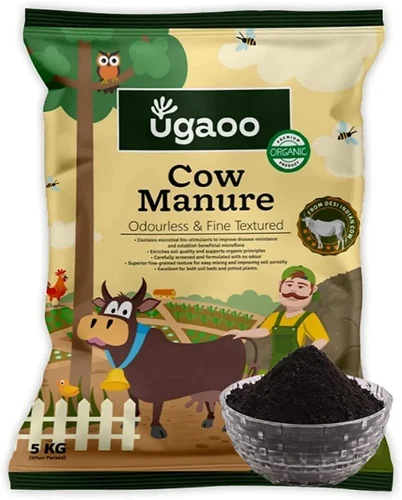
Mostly used in the fresh form by farmers, cow dung is also sold in composted form for easy use in gardens. They are sold at a relatively higher price as an organic fertilizer.
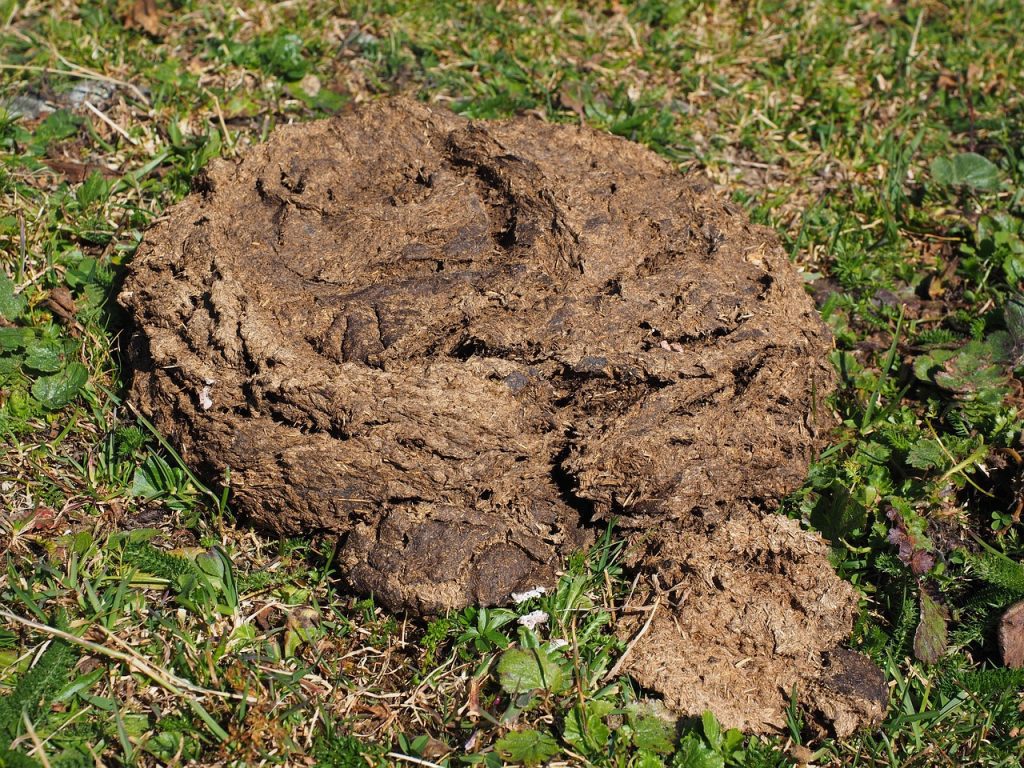
Cow dung is also dried and used as a fuel for cooking in villages. Then, its ashes are used as a fertilizer. Other forms include converting it into biogas which also produces methane and fertilizer as its products.
Cow dung has often been suggested as a ready-to-go fertilizer. Is it so? Let’s evaluate the fresh cow dung and a compost made from cow dung and see which one is better.
How Composting Transforms Cow Dung?
Pathogen Reduction
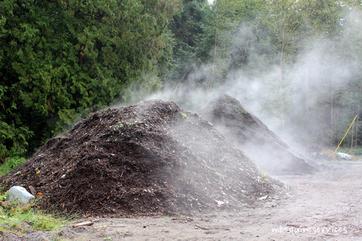
First of all, composting turns the smelly cow dung into a stable pathogen-free material through biological degradation. The heat produced during the composting process kills off the pathogens.
Volume Reduction
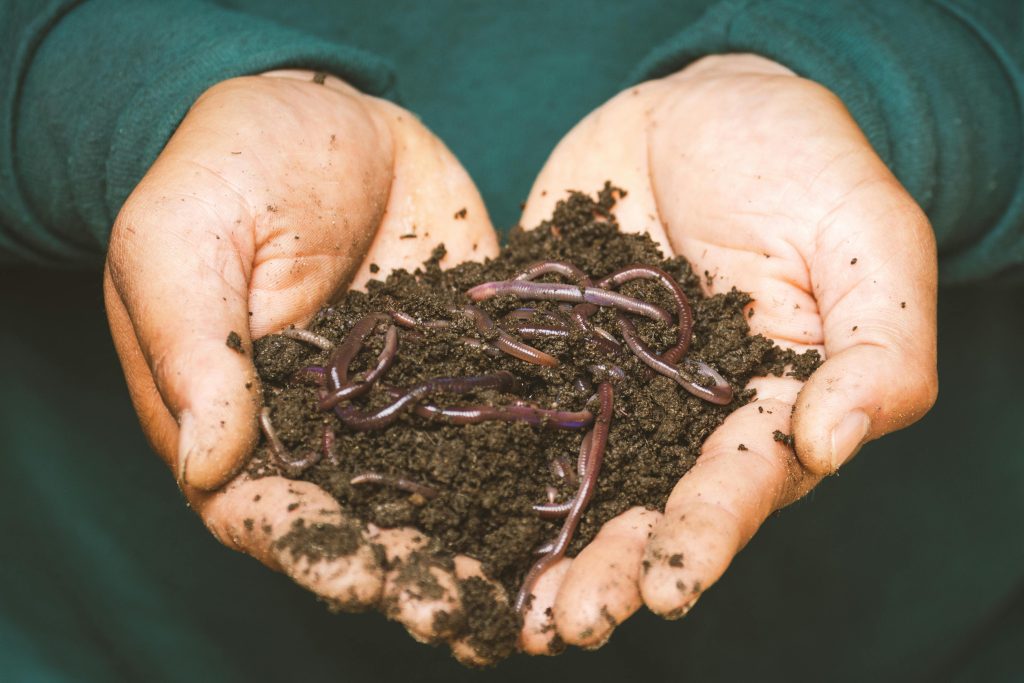
Fresh cow dung is not immediately usable by plants because it contains complex organic compounds. Composting breaks down these compounds, reducing the dung’s volume by up to 50%. This process creates a more concentrated and manageable form of fertilizer.
Plants absorb carbon from the air, not from their roots. Fresh cow dung is primarily made up of carbon compounds that plants can’t directly use. During composting, bacteria break down these compounds, making the nutrients more accessible to plants.
Transforms Nitrogen to useful form
Again, fresh cow dung contains nitrogen in complex forms, which the bacteria transform into compounds that plants can easily take up as nutrients.
Prevents Pests infestation
The fresh cow dung also attracts insects and pests which are searching for carbon rich food which the fresh Cow dung contains in high quantity. Composting it destroys food in carbon form in it.
Reduces Toxic Ammonia
Fresh cow dung contains ammonia which is harmful to plants and has the potential to burn plants. Composting converts the same ammonia to nitrate and ammonium which plants can easily use as food without harm. Even if the composted cow dung has nitrogen in a more concentrated form, the ammonia form of nitrogen is many times more toxic than nitrate and ammonium.

Prevents root heating
If applied in thick quantities, fresh cow dung can also heat up due to composting happening in the field. This heat can harm the roots of plants. The composted cow dung has lesser bacterial decomposition activity
Overall, composing converts fresh cow dung into an easy-to-handle, safe non-stinking product with rich nutrient content.
Nutrient Metrics?
NPK is needed for:
- Nitrogen (N): Growth
- Phosphorus (P): Roots
- Potassium (K): Health
| Fresh Cow Dung (Source) | Cow dung Compost (Source) | |
| Nitrogen (N) | 1.19 | 3 |
| Phosphorous (P) | 0.3 | 2 |
| Potassium (K) | 0.48 | 1 |
Conclusion
In conclusion, it is best to use composted cow dung as an organic fertilizer for its safe, easy, and readily available nutrients for plants.
However, if composting is not an option, fresh cow dung can be used in smaller quantities, preferably with water as a liquid solution.