Background
Plants need macronutrients and micronutrients to grow. Macronutrients include Nitrogen (N), Phosphorous (P) Potassium (K), Calcium (Ca), Magnesium (Mg), and Sulphur (S) from soil. The macronutrients required is 100 times more than that of micronutrients (Source).
Among the macronutrients, NPK is required in relatively large quantities. The soil is mostly deficient in NPK and it needs to be added. Conventional fertilizers like Urea and DAP are used to fulfill these essential nutrients in the soil. These conventional fertilizers are bad for the environment and the soil. A good alternative is a natural product: Urine
Nutrient in Urine
Our food contains nutrients that ultimately get out of our bodies through urine and feces. Humans and animals excrete 80% of nutrients in their urine and the rest 20% of nutrients is contained in feces. Hence, two things are important with this. First, urine is a good source of nutrients that can be easily used for plants. Second, using urine removes 80% of the nutrient load in the wastewater treatment plants (Source).
The general values of NPK in urine and NPK required for plants are:
| Nutrient | Urine (per liter) | Tomatoes (per kg) | Wheat (per kg) |
| Nitrogen (N) | 7.27 grams | 1.4 grams | 17.5 grams |
| Phosphorus (P) | 0.67 grams | 0.3 grams | 3.6 grams |
| Potassium (K) | 1.82 grams | 2.1 grams | 3.8 grams |
The nitrogen (N) content in urine is significantly higher than the phosphorus (P) and potassium (K) content. Plants generally require nitrogen in greater amounts compared to phosphorus and potassium. The fertilizing power of urine is comparable to that of synthetic fertilizers. It means urine can be an eco-friendly substitute to synthetic fertilizers.
Storage of Urine
Before application, it is good if the urine is stored for at least one month, ideally 6 months. It is to kill any pathogens if present in urine to prevent any risk even if a healthy person has no pathogens in their urine (Source). The pathogens will be killed by high pH and with natural decay.
The pH of the urine is also affected by storage of urine. The pH increases as the conversion of urea to ammonium takes place with storage. Fresh urine has around urea (85%) and ammonium (15%). The natural conversion of urea to ammonium increases the pH of urine with storage. In one month of storage, the entire urea gets converted to ammonia and ammonium.
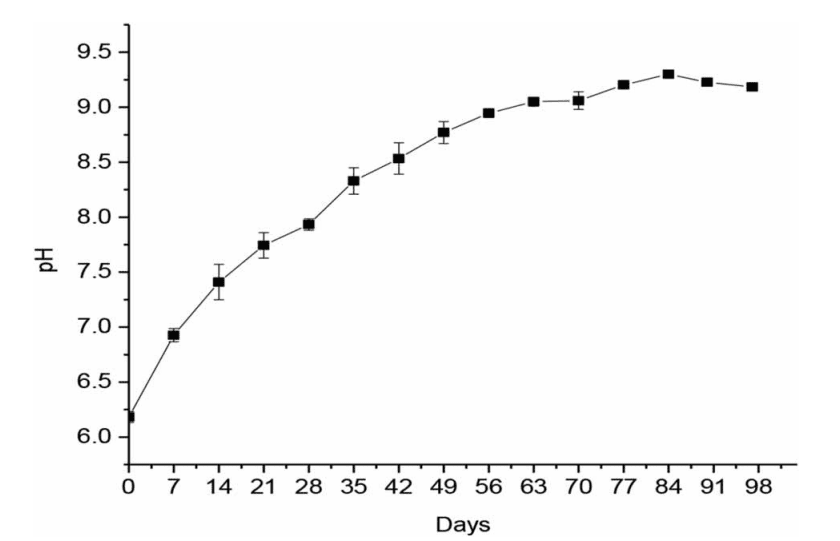
Urea in fresh urine also eventually gets converted to ammonium and nitrate by bacteria in the soil. However, applying directly may be risky due to the presence of pathogens which may ultimately reach the kitchen.
Ammonium (NH4+), is the form that can be easily taken up as a nutrient by plants. Hence, storing it makes the fertilizing value more readily available. The urine needs to be diluted with water so that it will not harm the plant with high pH and ammonia.
Urine application: Salt problem
The number of applications is also an important factor. This is because table salt (sodium chloride) is also present in our urine. It causes soil salinity and is therefore not good for the soil if it accumulates in the soil. The salt disturbs the plant’s ability to take up the nutrients from the soil.
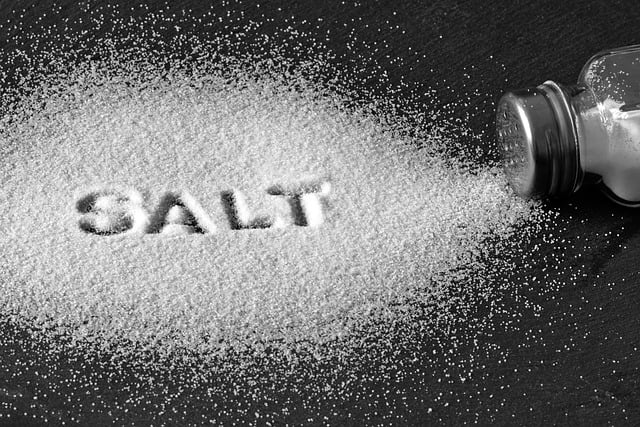
Research shows that two applications of urine are good. After three applications, the salinity was found to be increased and plants showed poor growth. Hence, more than two applications of urine should be avoided. Generally, the urine of persons on medications should also be avoided. Humans and animals also produce hormones through their urine. However, plants in general have adapted to degrade these hormones as urine has been always adapted by urine (Source).
It also depends on the tolerance capacity of the plants as plants also have different tolerance capacities. Plants like Tomato and Broccoli have generally more tolerance capacity for salts.
Urine Dilution
Research has found that the optimum mixing ratio of urine with water is 1:3. It means one liter of urine should be mixed with 3 liters of water to be best suited for application in fields. However, urine can also be used with further dilution.
Urine Quantity
Urine can be collected from individual homes as it is easy to manage within a family. Urine can be collected and can be stored in drums so it can be stored and can be used with dilution with water. The drums or jar should be closed to prevent nitrogen loss in the form of ammonia.
A comparatively large quantity of urine can be collected in commercial applications like restaurants, schools, and public toilets. This is because these types of facilities have a separate location for urination. However, natural products should be used while cleaning the toilets as harsh chemicals can harm the plants.
Application of Urine
Nutrients are crucial for plants, especially in the beginning. But once they start making flowers or fruit, they don’t need as much. So, stop adding fertilizer when your crop is about two-thirds of the way from planting to harvest. For example, if it takes 90 days from planting to harvest, stop fertilizing after 60 days. This break gives time for excess nutrients to clear out before you harvest.
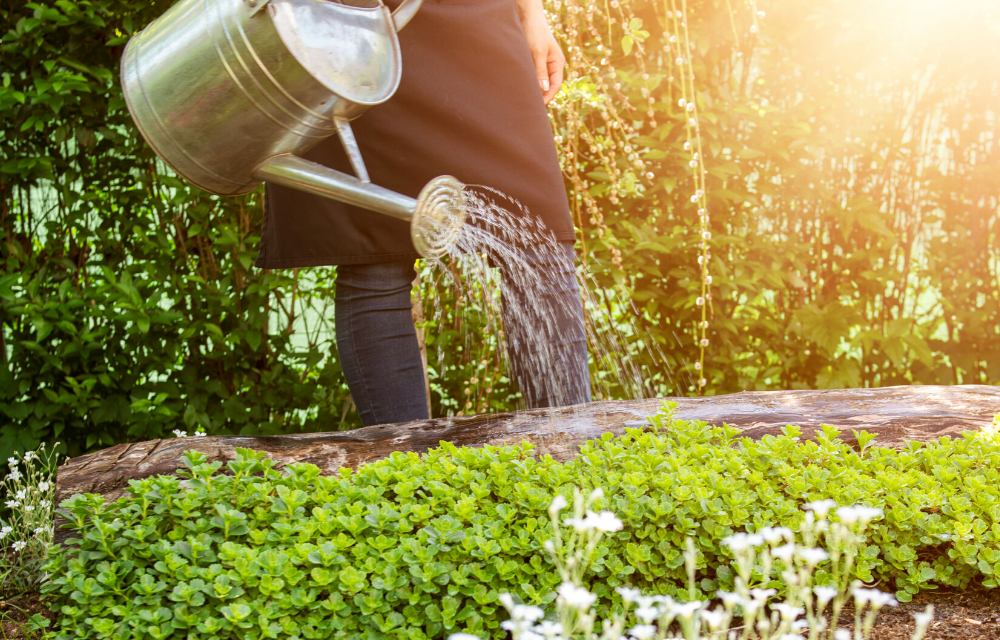
When the nitrogen level in the soil reaches four times the normal rate of fertilization, it becomes toxic. This means there’s an excessive amount of nitrogen present in the soil, which can harm plants rather than help them grow. Urine can also be combined with wood ash to add nutrients and also to control odor issues.
Environmental Benefits
Along with the reduction in load in wastewater treatment plants, the nutrients can be recirculated from farm to food again. You can get organic products from the garden without using conventional fertilizers. This will save you money along with benefitting the environment.

This urine fertilizer is a win-win formula for agricultural sustainability in the garden.
Rakesh Shah (Civil and Environmental Engineer)
Author